

Machining professionals consistently deliver exceptional results through a combination of advanced technical skill, experience, and an unwavering commitment to precision. In today’s competitive manufacturing landscape, where accuracy and quality are paramount, these experts play a critical role in transforming raw materials into high-performance components used across various industries including aerospace, automotive, medical, and energy sectors. Their proficiency with computer numerical control CNC machines, manual tools, and the latest software technologies enables them to produce complex parts to exacting specifications, often within extremely tight tolerances. This level of precision is not achievable without a deep understanding of materials science, machining dynamics, and the ability to interpret detailed blueprints and technical drawings. A machining professional’s expertise begins with extensive training in mechanical and manufacturing principles, often supported by formal education in machining technology, engineering, or industrial design. However, beyond academic knowledge, hands-on experience is crucial. Years spent operating lathes; mills, grinders, and other machinery refine their skill sets and sharpen their instincts. These professionals are adept at problem-solving, adjusting machine settings and cutting paths in real time to compensate for material inconsistencies or tool wear.
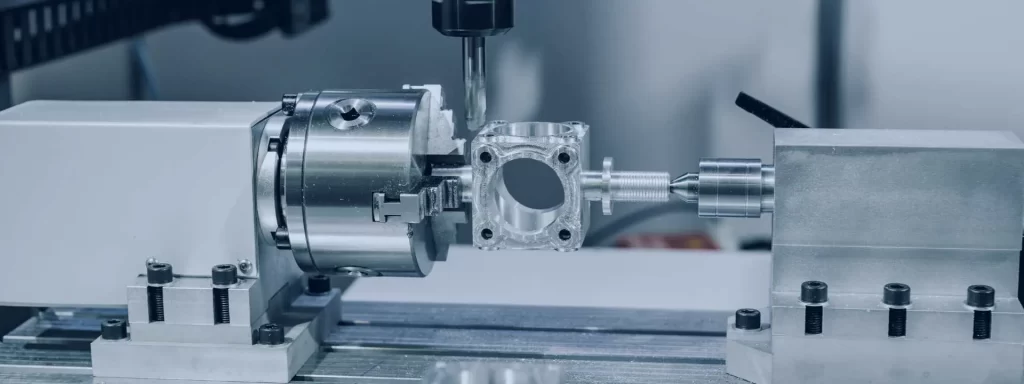
This adaptability ensures consistent quality, reduces waste, and minimizes downtime, all of which are essential to efficient cnc machine basic knowledge processes. The integration of advanced technologies further elevates the capabilities of machining professionals. CNC technology, in particular, has revolutionized the industry, allowing for automation of highly intricate processes. Skilled machinists program, set up, and oversee these machines, ensuring every movement is executed with precision. Their familiarity with CAD Computer-Aided Design and CAM Computer-Aided Manufacturing software enables them to translate complex designs into flawlessly machined products. Moreover, the rise of additive manufacturing and hybrid systems that combine traditional machining with 3D printing has expanded their toolkit, demanding even more technical acumen and adaptability. In addition to technical prowess, machining professionals exhibit a strong sense of discipline and attention to detail.
Every cut, angle, and finish must meet rigorous standards, often verified through meticulous quality control procedures and the use of precision measuring tools like calipers, micrometers, and coordinate measuring machines CMMs. The stakes are high, especially when components are destined for critical applications such as surgical instruments, aircraft engines, or power generation turbines. Even a minor defect can have significant consequences, which is why the role demands not only skill but also integrity and responsibility. Ultimately, machining professionals are at the heart of modern manufacturing. Their advanced Uneed technical skills and dedication to excellence ensure that parts are not only produced efficiently but also perform reliably in the most demanding environments. As manufacturing technologies continue to evolve, the need for skilled machinists will only grow, highlighting the enduring value they bring to the industry. Their work is a blend of craftsmanship and technology, making them indispensable contributors to innovation and industrial success.