Save More through Strategic Container Loading Techniques

Efficient container loading plays an important role in improving logistics performance and achieving better landed cost optimization for office supplies sourcing. Businesses that manage stationery bulk container shipping with organized loading strategies can maximize available space, improve transportation efficiency, and create a smoother supply chain process. Strategic planning allows companies to move larger quantities of products while maintaining quality and controlling overall shipping expenses.

Container shipping is a valuable solution for businesses sourcing office paper products supplies internationally. By understanding product dimensions, weight distribution, and container capacity, suppliers can create effective loading plans that support reliable deliveries. A well-structured approach helps reduce unused space and ensures that every shipment contributes to greater value.

Key Benefits of Strategic Container Loading

Proper container loading techniques provide several advantages for businesses managing global office supplies sourcing. Important benefits include:

  • Maximizing container space to transport more products in each shipment.
  • Improving cost efficiency by reducing unnecessary shipping expenses.
  • Protecting stationery items through organized placement and secure packaging.
  • Supporting consistent delivery schedules with better shipment planning.
  • Enhancing supply chain visibility through improved logistics coordination.

These advantages help companies build a dependable sourcing system where transportation resources are used effectively. With careful preparation, businesses can achieve stronger results from every container shipment while maintaining product standards.

Improve Landed Cost Optimization through Smart Planning

Landed cost optimization involves more than selecting competitive product prices. It includes transportation, handling, storage, and other supply chain factors that influence the final cost of imported goods. Strategic container loading helps businesses manage these elements by reducing inefficiencies during the shipping process. For stationery bulk container shipping, combining similar products, selecting suitable packaging methods, and arranging cargo according to size and weight can improve overall shipment performance. This approach allows businesses to maintain a balance between affordability and operational excellence.

Build a More Efficient Global Supply Chain

Successful container shipping requires collaboration between suppliers, logistics partners, and sourcing teams. When all parties follow a clear loading strategy, shipments can move smoothly from production facilities to final destinations. This creates a reliable foundation for long-term business growth. Companies sourcing office supplies can benefit from advanced planning methods that focus on space utilization, shipment accuracy, and cost control. These practices support efficient logistics operations while helping businesses respond to market demands with confidence.

Create Greater Value with Reliable Shipping Solutions

Strategic container loading techniques provide a practical way to improve international shipping outcomes. By focusing on organized processes and smart logistics decisions, businesses can achieve better control over their supply chain investments. Efficient container management supports smoother operations, improved profitability, and stronger relationships with global suppliers. Through effective container shipping strategies and optimized stationery bulk container shipping practices, businesses can continue building a more productive and cost-efficient sourcing network. A well-planned approach ensures that every shipment delivers maximum value while supporting sustainable growth in the competitive global marketplace.

Flexible Office Supply Programs Supporting Business Expansion

Business growth often depends on reliable systems that support daily operations without unnecessary delays. Flexible office supply programs help organizations maintain productivity by ensuring essential products remain available whenever needed. These adaptable solutions allow businesses to adjust purchasing volumes, manage inventory efficiently, and respond quickly to changing workplace demands. A well-planned supply program also reduces administrative effort, making it easier for teams to focus on achieving long-term objectives while maintaining consistent workplace performance.

office supplies suppliers

Why Flexibility Matters

Every growing business experiences changes in staffing, workload, and operational priorities. A flexible office supply program makes it easier to respond to these changes without disrupting workflow.

Key Advantages

  • Adjusts supply quantities based on business needs.
  • Supports both short-term and long-term purchasing plans.
  • Reduces unnecessary inventory accumulation.
  • Improves purchasing efficiency.
  • Encourages better cost management.
  • Simplifies routine procurement activities.

Organizations that invest in adaptable supply strategies can maintain smooth operations while preparing for future expansion opportunities.

Smarter Purchasing Solutions

Efficient procurement creates a stronger foundation for business development. Companies benefit from selecting programs that provide dependable access to essential workplace products while offering room to scale as requirements evolve. Many purchasing teams also appreciate how bulk office supplies online purchasing options help improve convenience, reduce ordering time, and simplify inventory planning without interrupting daily business activities.

Features That Improve Procurement

  • Flexible ordering schedules.
  • Consistent product availability.
  • Easy inventory monitoring.
  • Faster replenishment processes.
  • Reduced administrative workload.
  • Better budget planning.
  • Improved purchasing accuracy.

These advantages help businesses maintain steady operations while supporting continuous improvement across departments.

Supporting Productivity Across Teams

Reliable access to office essentials enables employees to perform their responsibilities with confidence. Flexible supply programs eliminate many common purchasing challenges, allowing departments to receive the products they need at the right time.

Productivity Benefits

  • Fewer workflow interruptions.
  • Better organization of workplace resources.
  • Improved collaboration between departments.
  • Consistent availability of essential supplies.
  • Faster response to changing project requirements.
  • Enhanced employee satisfaction.
  • Greater operational consistency.

When supplies are managed efficiently, teams can dedicate more attention to serving customers, completing projects, and achieving organizational goals.

Building Long-Term Business Success

A flexible office supply program supports more than everyday purchasing. It becomes an important part of a company’s long-term growth strategy by improving operational efficiency and creating a dependable procurement process. Businesses that regularly review their supply requirements can make informed decisions, optimize spending, and adapt quickly to evolving workplace demands.

Best Practices for Sustainable Growth

  • Review inventory levels regularly.
  • Monitor purchasing trends.
  • Plan for seasonal demand changes.
  • Standardize commonly used products.
  • Maintain organized procurement processes.
  • Evaluate future business requirements.
  • Encourage continuous operational improvements.

Flexible office supply programs provide dependable support for expanding organizations by improving efficiency, simplifying purchasing, and strengthening everyday operations. With thoughtful planning and adaptable procurement strategies, businesses can confidently manage growth while maintaining excellent productivity, consistent performance, and long-term operational success.

Professional Roof Repair Solutions That Stand The Test Of Time

A strong and dependable roof provides lasting protection while improving the overall comfort and appearance of any property. Professional roof repair solutions help resolve minor issues before they develop into costly problems, making regular maintenance an important part of long-term property care. Skilled repairs, quality materials, and careful inspections all contribute to a roof that continues performing well through changing conditions while maintaining its strength and value for many years.

Why Professional Roof Repairs Matter

Choosing experienced repair services offers several long-term benefits that support roof durability.

  • Prevents small issues from becoming major repairs.
  • Extends the lifespan of roofing materials.
  • Protects interior spaces from moisture damage.
  • Maintains structural stability.
  • Improves energy efficiency.
  • Preserves property appearance.
  • Reduces unexpected maintenance costs.
  • Supports consistent long-term performance.

Reliable repair methods focus on both visible damage and hidden concerns, creating dependable results that continue protecting the property over time.

Key Features Of Long-Lasting Repair Solutions

Roofing Services

Quality roof repair involves more than replacing damaged sections. A complete approach ensures every part of the roof performs efficiently.

Thorough Inspection

  • Identifies damaged shingles or roofing materials.
  • Detects hidden leaks.
  • Checks flashing conditions.
  • Evaluates drainage performance.
  • Reviews ventilation systems.

High-Quality Workmanship

  • Accurate repairs improve durability.
  • Careful installation prevents future problems.
  • Strong sealing protects vulnerable areas.
  • Proper alignment supports long-lasting performance.

During the repair process, homeowners often choose to learn more about roofers in Boerne while exploring professional guidance that helps them understand quality workmanship, maintenance practices, and dependable roofing solutions for long-term protection.

Benefits Of Timely Roof Maintenance

Routine maintenance works together with professional repairs to maximize roof performance.

  • Extends overall roof lifespan.
  • Helps maintain property value.
  • Minimizes weather-related damage.
  • Reduces emergency repair needs.
  • Supports better insulation.
  • Keeps roofing materials in excellent condition.
  • Enhances overall safety.
  • Encourages early problem detection.

Regular inspections also allow small concerns to be corrected quickly before they require extensive restoration work.

Qualities Of Reliable Roof Repair Services

Professional roofing specialists typically focus on delivering dependable results through careful planning and attention to detail.

Essential Service Qualities

  • Detailed roof assessments.
  • Clear repair recommendations.
  • Quality material selection.
  • Safe working practices.
  • Efficient project completion.
  • Consistent workmanship.
  • Reliable communication.
  • Long-term repair solutions.

These qualities help create roofing systems that continue performing effectively throughout changing seasons.

Building Confidence Through Professional Repairs

Investing in professional roof repair solutions delivers lasting value by combining expert knowledge, durable materials, and careful craftsmanship. Every properly completed repair strengthens the roof while improving its ability to withstand daily exposure to weather and natural wear. With regular inspections, prompt maintenance, and quality repair techniques, property owners can enjoy dependable protection, improved efficiency, and lasting peace of mind. A well-maintained roof remains one of the most valuable features of any property, providing reliable performance, enhanced appearance, and dependable protection that truly stands the test of time.

Flexible Payment Options Support Convenient Participant Experiences Everywhere

Convenient payment experiences can make registration easier, faster, and more welcoming for every participant. When people have access to flexible ways to complete payments, they can choose the method that best matches their preferences and circumstances. This creates a smoother journey while supporting greater confidence from enrollment through participation.

Multiple Payment Choices Improve Convenience

Offering a variety of payment methods helps participants complete transactions in a way that feels comfortable and familiar. Greater flexibility reduces unnecessary obstacles and makes the overall registration process more accessible.

  • Support for multiple payment methods
  • Convenient options for different preferences
  • Simple payment selection during registration
  • Clear instructions for completing transactions
  • Easy access to payment details and confirmations

Faster Transactions Save Valuable Time

Online Registration

Efficient payment processes help participants complete registration without unnecessary delays. Quick and organized transaction experiences allow users to move confidently from payment to final confirmation.

  • Smooth payment steps with minimal interruptions
  • Fast confirmation after successful transactions
  • Reduced repetition during the payment process
  • Clear status updates for better visibility
  • Convenient completion from different devices

Transparent Information Builds Participant Confidence

Clear payment information helps users understand every part of the transaction before completing it. When costs, available choices, and confirmation details are presented openly, participants can proceed with greater peace of mind.

  • Easy-to-understand payment summaries
  • Clear display of applicable charges
  • Helpful confirmation messages
  • Simple access to transaction information
  • Consistent communication throughout the process

Flexible Options Support Different Participant Needs

Every participant may have different preferences when completing a payment. Providing adaptable choices creates a more inclusive experience and helps more people complete registration comfortably.

  • Payment choices that suit varied preferences
  • Convenient access to preferred transaction methods
  • Flexible timing for completing payments
  • Simple processes for different user needs
  • Supportive experiences that encourage participation

Reliable Payment Experiences Strengthen Satisfaction

A dependable payment journey contributes to a positive overall registration experience. When participants can complete transactions smoothly and receive timely confirmation, they feel more confident about continuing their involvement.

  • Consistent transaction experiences
  • Reliable confirmation after payment completion
  • Helpful updates when payment status changes
  • Smooth transitions from payment to participation
  • Greater satisfaction throughout the enrollment journey

Better Payment Organization Supports Efficiency

Well-organized payment processes benefit both participants and administrative teams. Clear transaction information and streamlined workflows help make payment management more efficient while keeping the participant experience simple.

  • Easier tracking of completed transactions
  • Improved organization of payment information
  • Reduced manual effort for routine tasks
  • Clearer visibility into payment progress
  • More efficient support for participant needs

The traxsolutions registration software encourages convenient experiences. Flexible payment options help create registration journeys that are simple, accessible, and participant-friendly. By combining choice, clarity, speed, and reliability, organizations can make payment completion feel natural and effortless.

  • Greater convenience during registration
  • More confidence when completing payments
  • Improved participation through flexible choices
  • Smoother experiences across the enrollment journey
  • Stronger satisfaction through reliable service

Convenient payment options play an important role in creating positive participant experiences. When individuals can choose suitable payment methods, understand transaction details, and receive timely confirmation, registration becomes easier from beginning to end. Flexible payment experiences support greater accessibility, improve satisfaction, and help every participant move forward with confidence.

How to Print Your Logo on Greaseproof Paper (and Not Ruin It)

Hot take: most “muddy” logos on greaseproof paper aren’t a printing problem. They’re a paper-and-ink mismatch that no amount of press tweaking can truly rescue.

Greaseproof is a weird substrate. It’s designed to reject oil and moisture, and sometimes it treats ink with the same suspicion. So the goal isn’t just “get ink on paper.” The goal is: clean edges, stable color, no offset onto the food side, and a mark that still looks intentional after heat, friction, and a little grease drift.

One-line reality check: your logo is only as sharp as the worst sheet in the stack.


 Start with the sheet: greaseproof paper isn’t all the same

You can buy ten “greaseproof” stocks and get ten completely different print results. Some are glassy and tight. Some have a soft tooth. Some are translucent enough to make a bold mark look oddly gray because the background shows through. That’s why, before you print your logo on greaseproof paper, it’s worth checking how the stock actually behaves with ink.

Here’s the practical way I evaluate it (and yes, I’m picky):

Surface consistency: if the sheet has random slick patches, ink density will wander.

Opacity + translucency: too translucent and your dark brand color starts looking diluted.

Basis weight / caliper: heavier isn’t always better; thick stocks can swallow fine detail because the surface isn’t as tight as you think.

Silicone or heavy sizing: great for grease resistance, sometimes terrible for adhesion.

Now, this won’t apply to everyone, but if you’re running fine linework or small type, I’d rather print on a smoother, more uniform greaseproof than a “rustic” one. Texture can look artisanal, until your logo corners fuzz out and your kerning fills in.


 A quick, slightly nerdy stat (because it matters)

Food-contact packaging inks aren’t optional theater; they’re regulated for migration risk.

The EU Framework Regulation (EC) No 1935/2004 sets general requirements for materials intended to come into contact with food, including that they shouldn’t transfer constituents in quantities that could endanger health. Source: European Commission, food contact materials framework regulation: https://food.ec.europa.eu/safety/chemical-safety/food-contact-materials/legislation_en

If you’re printing for commercial food use, talk to your converter/printer about compliant ink systems and barriers. “We’ve always used this ink” isn’t a compliance strategy.


 Ink choices: here’s the thing, greaseproof likes to humiliate weak formulations

If the logo smears when the sheet is folded, stacked, or warmed, you’re dealing with one (or more) of these:

– ink sitting on the surface instead of anchoring

– insufficient curing/drying

– too much ink film thickness

– contamination (finger oils are underrated villains)


 What tends to work (in my experience)

Low-migration, food-safe systems designed for packaging, paired with the right curing method. Water-based can perform beautifully on some greaseproof papers, but it’s not “automatically safer” or “automatically better.” UV can give crisp edges, though you’ll need to manage migration and odor properly.

And finishes? Use them like seasoning. A little helps; too much ruins the dish.

Matte can improve readability and hide minor density variation.

Light gloss can make a mark pop but also highlights scuffs.

Coatings/varnishes can reduce rub-off, but they can also change color appearance (especially blacks).

(Also: if your brand color is a deep, velvety black, don’t assume it will stay that way. Greaseproof can make blacks look smoky.)


 Printing method: pick based on reality, not romance

Someone will tell you “offset is premium” or “digital is modern.” Neither statement helps when your run size, drying time, and line detail are on the line.


 Small runs and lots of versions

Digital can be a lifesaver: fast proofs, minimal setup, easy iteration. Edge detail is often strong. But long-run consistency and rub resistance depend heavily on the specific press + ink set + paper combo, so don’t assume it scales cleanly.


 Medium to large runs (where consistency becomes your religion)

Flexo is the workhorse for packaging for a reason. Done well, it’s efficient and repeatable, with robust ink options. Offset can produce gorgeous results too, but greaseproof behavior and set-off risk need close management.

Opinionated note: if you’re doing tens of thousands of sheets, optimize for repeatability first, “maximum theoretical sharpness” second. Customers notice inconsistency faster than they notice an extra 2% of edge crispness.


 Surface prep: boring steps that save the job

Look, greaseproof paper is often handled, stacked, shipped, and re-stacked. Dust happens. Fingerprints happen. Tiny oil traces happen.

Keep it simple:

– Store sheets wrapped and away from humidity swings.

– Handle with clean hands or gloves when you’re testing.

– Make sure sheets are flat; curl changes impression pressure and invites smudge.

– Clean the work area so you’re not re-contaminating mid-run.

If you’re seeing random adhesion failures, stop blaming the press for five minutes and check the pile. I’ve watched entire “ink problems” disappear once the stock was swapped to a cleaner lot.


 Testing that actually tells you something (not just “it looks fine”)

Print a test panel that includes:

– your smallest type

– your tightest linework

– a solid fill area (logos love exposing mottling)

– at least one brand color that tends to shift

Then run it through abuse that matches real life.

Rub it. Fold it. Stack it under weight for an hour.

Warm it (gently) and check again.


 What you’re looking for

Bleed shows up as fuzzy edges and swollen type counters.

Smear appears along feed direction or where hands naturally grip.

Fade can be real fading, but it’s often low density + poor anchoring masquerading as “fading.”

If you want to be disciplined, record:

– drying/cure time

– ink film thickness target

– press speed

– ambient humidity/temperature

– paper lot number

That’s not paperwork for its own sake. That’s how you repeat results.


 Color and brand consistency: stop eyeballing it under random lighting

I’m all for trusting experienced operators, but eyeballing alone is how “Brand Red” turns into “Sort of Brick-ish Red” across batches.

Use a real color workflow:

– lock an approved reference (drawdown or printed standard)

– build or confirm ICC profiles if you’re in a color-managed environment

– verify with a spectrophotometer when consistency matters

Caveat: greaseproof paper can shift perceived color because of translucency and base tone. If you match color on a bright white proofing sheet, don’t be shocked when it looks different on the real stock.


 Finishing & sealing: shelf life is where weak prints go to die

Packaging gets handled. A lot. It gets warm. It gets squeezed. Sometimes it gets refrigerated and re-warmed. Your print needs to survive more than a glamorous photo shoot.

If you’re adding barriers, coatings, or laminates, check three things:

  1. Food-contact compliance (migration, odor, set-off risk)
  2. Rub resistance (does it scuff when stacked?)
  3. Legibility under grease (a finish that looks great dry can go muddy when oil hits it)

Eco-friendly goals can still fit here, but be honest about tradeoffs. Compostable layers and coatings exist, yet they vary wildly in performance depending on the supply chain and the actual food conditions.


 The workflow I’d use if I had to bet my name on the result

Choose the stock first. Confirm it’s consistent across lots.

Pick an ink system designed for packaging and that substrate.

Run a real test panel and abuse-test it like a customer would.

Lock specs (paper lot, ink, cure, density targets).

Only then scale.

That’s how you get a logo that stays sharp on greaseproof paper, clean on day one, and still recognizable after the wrap’s been crumpled, warmed, and touched a hundred times


Transforming Digital Presence with Effective Community Engagement Strategies

A strong digital presence grows when meaningful relationships are built with an active and engaged community. Rather than focusing only on visibility, successful engagement strategies encourage participation, trust, and long-term connections. Communities that feel valued often become enthusiastic supporters who contribute to sustainable growth and positive recognition.

Understanding the Value of Community Engagement

Community engagement creates opportunities for genuine interaction and mutual support. When people feel heard and appreciated, they are more likely to remain connected and participate regularly.

Key Benefits Include:

  • Increased audience trust and loyalty
  • Stronger relationships with community members
  • Higher levels of participation and interaction
  • Improved visibility through positive conversations
  • Greater opportunities for long-term growth
  • Enhanced reputation and credibility
  • Consistent audience retention

Creating Meaningful Conversations

Successful engagement begins with open and authentic communication. Encouraging discussions helps community members feel included and respected.

Effective Communication Practices

  • Ask thoughtful and relevant questions
  • Encourage feedback and suggestions
  • Respond to comments in a timely manner
  • Recognize valuable contributions
  • Share helpful insights and information
  • Maintain a friendly and welcoming tone
  • Foster respectful discussions among participants

Consistent communication strengthens connections and encourages ongoing involvement.

Delivering Valuable Content

People engage more actively when content provides value and relevance. Informative and engaging material can inspire conversations and encourage sharing.

Content Approaches That Encourage Engagement

  • Educational resources and guides
  • Practical tips and recommendations
  • Inspiring success stories
  • Interactive discussions
  • Community-focused updates
  • Frequently asked questions
  • Helpful problem-solving content

When creating engagement plans, integrating insights from audience behavior and even discussions involving 小紅書商業帳號 can help identify topics that encourage meaningful interactions and stronger community participation.

Encouraging Community Participation

Active participation transforms audiences into engaged community members. Creating opportunities for involvement helps strengthen relationships and build enthusiasm.

Ways to Increase Participation

  • Invite opinions and perspectives
  • Conduct polls and surveys
  • Encourage idea sharing
  • Highlight community achievements
  • Create interactive challenges
  • Celebrate milestones together
  • Offer opportunities for collaboration

Communities thrive when members feel their contributions are valued and appreciated.

Building Long-Term Trust

Trust is one of the most important elements of a successful digital presence. Consistency and transparency help establish confidence among community members.

Trust-Building Strategies

  • Communicate clearly and honestly
  • Deliver consistent value
  • Acknowledge feedback respectfully
  • Maintain reliable interactions
  • Demonstrate commitment to community needs
  • Support constructive conversations
  • Focus on positive engagement experiences

Long-term trust encourages stronger connections and greater community loyalty.

Measuring Engagement Success

Evaluating engagement efforts helps identify strengths and opportunities for improvement.

Important Areas to Monitor

  • Participation levels
  • Community growth trends
  • Interaction frequency
  • Audience feedback quality
  • Content engagement patterns
  • Retention and loyalty indicators
  • Overall community satisfaction

Conclusion

Transforming digital presence through effective community engagement strategies requires consistent interaction, valuable content, and a commitment to building trust. By encouraging participation, nurturing meaningful relationships, and maintaining positive communication, communities can become powerful drivers of sustainable growth, stronger connections, and lasting success.

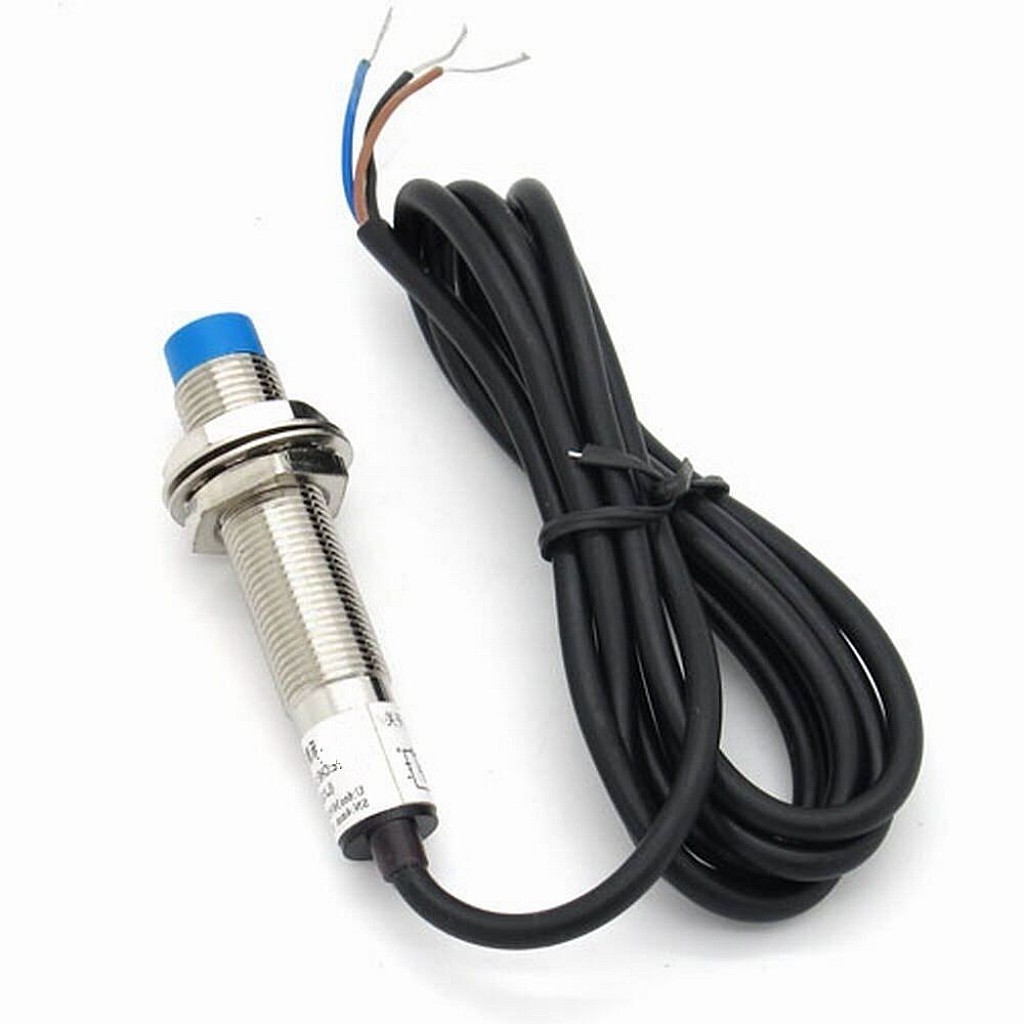
Precision Motion Systems Utilize High Quality Pneumatic Components

Precision motion systems play a vital role in achieving smooth, accurate, and efficient movement across a wide range of industrial applications. Their effectiveness depends greatly on the quality of the pneumatic components used within the system. High-quality pneumatic solutions help maintain reliable performance, improve operational consistency, and support long-term productivity. When properly integrated, these components contribute to seamless motion control while reducing interruptions and enhancing overall efficiency.

Importance of Quality Pneumatic Components

Reliable pneumatic components form the foundation of effective motion systems. They help maintain stable operation and ensure that movement remains controlled and repeatable.

pneumatic component

Key Advantages Include:

  • Consistent motion accuracy
  • Smooth operational performance
  • Reduced mechanical stress
  • Improved system responsiveness
  • Enhanced energy efficiency
  • Greater operational stability
  • Long-lasting performance
  • Lower maintenance requirements

These benefits allow facilities to achieve dependable results while maintaining high productivity standards.

Essential Features of Precision Motion Systems

Modern motion systems are designed to deliver exceptional control and reliability. High-quality pneumatic components support these objectives by providing efficient power transmission and accurate positioning.

Important System Features:

  • Fast and precise movement control
  • Stable pressure regulation
  • Reliable force generation
  • Smooth acceleration and deceleration
  • Consistent cycle performance
  • Flexible integration capabilities
  • Durable construction standards
  • Efficient airflow management

Together, these features contribute to optimized performance across demanding operating environments.

Benefits for Manufacturing Operations

Organizations benefit significantly when precision motion systems are equipped with dependable pneumatic components. Improved system efficiency leads to better workflow management and enhanced operational outcomes.

Operational Benefits:

  • Increased production consistency
  • Reduced downtime occurrences
  • Enhanced process accuracy
  • Improved product quality
  • Better equipment utilization
  • Faster operational cycles
  • Greater workplace efficiency
  • Reliable long-term operation

These advantages help create a productive environment where performance remains stable over extended periods.

Supporting Advanced Automation Goals

Automation systems rely heavily on precise motion control. High-quality pneumatic components enable accurate movements that support complex automated processes and streamlined production activities.

Automation Support Benefits:

  • Precise positioning capabilities
  • Consistent repeatability
  • Reliable automated operation
  • Smooth system coordination
  • Enhanced process control
  • Efficient motion sequencing
  • Improved workflow continuity
  • Strong operational reliability

Many industry professionals seek valuable technical resources, and comprehensive information can often be found through references such as https://www.hebaiele.com/fr/ when exploring pneumatic component technologies and motion control solutions.

Long-Term Performance and Reliability

Durability remains a key factor in successful motion system operation. Quality pneumatic components are engineered to withstand continuous use while maintaining dependable performance.

Long-Term Advantages:

  • Extended service life
  • Stable operational efficiency
  • Reduced wear and tear
  • Consistent output quality
  • Lower maintenance demands
  • Improved equipment reliability
  • Strong performance retention
  • Greater operational confidence

Precision motion systems achieve their highest potential when supported by high-quality pneumatic components. Their combination of accuracy, efficiency, durability, and reliability helps create productive operations that consistently deliver outstanding performance and long-term value.

Sulfide Contamination Risk: How High-Purity Graphite Trace Levels Affect Metal Cleanliness

High-Purity GraphiteYour foundry just lost a seven-figure contract because of a single sulfur speck smaller than a grain of salt. Sounds impossible? It happens more often than industry insiders care to admit. The culprit isn’t your melt practice, your slag chemistry, or your furnace lining. It is hiding in plain sight inside your graphite components.


When we talk about metal cleanliness, the conversation usually revolves around deoxidation, inclusion removal, and proper fluxing. But there is a silent assassin that slips past most quality checks: sulfide contamination originating from the graphite crucibles, molds, and electrodes you rely on every single day. The relationship is brutally simple. Graphite is porous. When it contains sulfur-bearing impurities at even parts-per-million levels, those sulfides release during thermal cycling. They dissolve into your molten metal. They form brittle inclusions. And they destroy your mechanical properties before you ever pour a test bar.

Here is the reality check that most suppliers do not want you to hear. Standard commercial graphite often contains residual sulfur from the manufacturing process. The coking precursors, the binder systems, and even the graphitization furnaces can leave behind trace amounts of sulfur compounds. At room temperature, these levels seem negligible. At 1500 degrees Celsius, they become a contamination nightmare. The sulfides volatilize, migrate through the graphite matrix, and then recondense or react directly with your melt. The result is a finished product that fails hydrogen-induced cracking tests, shows poor ductility, or simply does not meet your customer’s cleanliness specifications.

This is where High-Purity Graphite separates the professionals from the gamblers. We are not talking about standard off-the-shelf grades. We are talking about graphite that has undergone rigorous purification processes to strip sulfur content down to levels below 5 parts per million. Some of our advanced grades achieve less than 1 ppm. When you use graphite with that level of purity, the sulfide risk virtually disappears. Your metal stays clean. Your inclusions stay minimal. Your rejection rates drop.

The advantages are not theoretical. One aerospace casting facility switched to our high-purity graphite crucibles and saw a 40 percent reduction in non-metallic inclusion counts within three months. A specialty steel producer eliminated an entire secondary refining step because their melt cleanliness improved so dramatically. These are real numbers from real operations that stopped fighting sulfide contamination and started preventing it at the source.

Think about your own process. How much time and money do you spend on filtration systems, degassing treatments, and inclusion analysis? What if you could cut those costs by simply eliminating the contamination vector before it ever touches your metal? That is the promise of high-purity graphite. It is not a luxury upgrade. It is a fundamental quality control measure that protects your metallurgy from the inside out.

The market is shifting. Customers are demanding tighter specifications. Sulfur limits in finished products are dropping every year. If your graphite is introducing sulfides, you are fighting an uphill battle against your own tooling. The smart move is to audit your graphite supply chain today. Check the certification data. Ask for sulfur analysis reports. If your supplier cannot guarantee levels below 10 ppm, you are carrying unnecessary risk.

Stop letting invisible sulfides sabotage your metal cleanliness. High-purity graphite is not an expense. It is insurance for your reputation. And in this business, reputation is everything.

Building Strong Communication through Employee Advocacy

Employee advocacy strengthens communication by transforming employees into active messengers who share updates, insights, and experiences. This approach creates a more human-centered communication flow where messages are delivered with authenticity and clarity. As employees participate in sharing content, communication becomes more relatable, consistent, and widely distributed across different audience groups.

Expanding Communication Reach

One of the strongest advantages of employee advocacy is the ability to extend communication beyond traditional boundaries. Each individual brings access to unique networks, helping messages reach broader and more diverse audiences.

Key reach advantages include:

  • Wider dissemination of messages through personal connections
  • Increased visibility of important updates
  • Greater diversity in audience engagement
  • More frequent sharing of key information
  • Stronger organic amplification of communication

This expanded reach ensures that communication does not remain limited to a single channel but spreads naturally across multiple audience layers.

Strengthening Message Clarity and Consistency

Employee Advocacy

Clear and consistent messaging is essential for effective communication. Employee advocacy helps reinforce core messages through repeated and unified sharing.

Consistency benefits include:

  • Reinforced understanding of key messages
  • Unified communication across contributors
  • Reduced message distortion
  • Stronger alignment of shared content
  • Improved retention of important information

Consistency ensures that audiences receive clear and reliable communication over time, strengthening overall message impact.

Enhancing Employee Participation and Engagement

Employee advocacy encourages Employee advocacy platform individuals to actively participate in communication efforts, increasing their involvement and connection to shared goals.

Engagement benefits include:

  • Greater motivation to share content
  • Increased sense of responsibility in communication
  • Stronger connection to shared objectives
  • Improved workplace collaboration
  • Enhanced confidence in message sharing

Engaged employees contribute more effectively to communication efforts, creating a stronger and more active communication environment.

Improving Audience Trust and Connection

Trust plays a major role in communication effectiveness. Messages shared by individuals often feel more genuine and relatable, helping audiences connect more deeply with the content.

Trust-building advantages include:

  • More authentic message delivery
  • Increased audience confidence
  • Stronger emotional connection with content
  • Improved perception of transparency
  • Enhanced credibility of shared messages

This trust leads to stronger engagement and more meaningful interactions with communication content.

Increasing Content Engagement and Responsiveness

Employee-shared communication often generates higher engagement levels due to its personal and relatable nature. Audiences are more likely to interact with content that feels authentic.

Engagement improvements include:

  • Higher interaction rates with shared messages
  • Increased discussion and feedback
  • Greater content visibility across networks
  • More meaningful audience responses
  • Stronger overall communication impact

These improvements help ensure that messages remain active and widely engaged.

Supporting Long-Term Communication Strength

Employee advocacy builds a strong foundation for long-term communication success. As participation increases, communication becomes more dynamic, consistent, and impactful. Over time, this approach helps strengthen relationships with audiences, improve message clarity, and enhance overall engagement quality. Sustained participation ensures that communication remains active and evolving, supporting continuous improvement in how messages are shared and received. This long-term strength contributes to more effective communication ecosystems and lasting audience connections.

Real Estate Agents Create Positive Property Experiences Through Professional Communication Skills

Real estate agents play a vital role in shaping smooth and positive property journeys for buyers and sellers. Their professional communication skills help clients feel informed, confident, and supported at every stage of the property process. Clear dialogue, active listening, and timely updates ensure that every interaction builds trust and satisfaction in property decisions.

Professional Communication in Real Estate

Effective communication is the foundation of successful real estate experiences. Agents use their expertise to translate complex property information into simple, understandable insights. This helps clients make informed decisions without confusion or stress. Whether discussing pricing, legal procedures, or property features, clear messaging ensures transparency and strengthens client relationships built on reliability and respect.

Key Communication Practices for Better Property Experiences

Agents follow structured communication practices that enhance clarity and improve client satisfaction throughout the property journey.

  • Active listening to understand client needs
  • Regular updates on property status
  • Clear explanation of legal documentation
  • Transparent discussion of pricing and offers
  • Prompt responses to inquiries and concerns

Benefits of Strong Communication Skills

Real Estate Agents

Strong communication leads to smoother transactions, reduced misunderstandings, and higher client confidence. It enables agents to build long-term relationships and deliver exceptional service experiences. Clients feel more secure when they receive honest guidance and consistent updates, resulting in a more positive and stress-free property journey overall.

Role of Emotional Intelligence in Communication

Emotional intelligence plays an important role in helping Makelaar Hoorn communicate effectively. It allows them to understand client emotions, respond with empathy, and manage expectations during complex property decisions. This supportive approach strengthens trust and encourages open conversations between agents and clients, leading to better outcomes and smoother negotiations.

Digital Communication Enhancements

Modern real estate communication also benefits from digital tools and platforms. These tools allow agents to share property updates, images, and documents instantly, improving efficiency and accessibility. Virtual meetings and messaging systems ensure clients stay informed regardless of location. This seamless communication experience enhances convenience and builds stronger engagement throughout the property journey.

Continuous Improvement in Communication

Continuous improvement in communication skills helps real estate agents stay effective in a competitive market. By learning client preferences, adapting tone, and refining messaging techniques, agents ensure that every interaction remains clear and impactful. Ongoing development in communication fosters long-term success and client satisfaction.

Final Insight

Strong communication is the key driver of positive real estate experiences, ensuring clients feel supported, valued, and confident throughout every stage of their property journey. Consistent clarity, responsiveness, and empathy ensure lasting trust between agents and clients while creating seamless and rewarding property experiences that lead to successful outcomes.

Close